
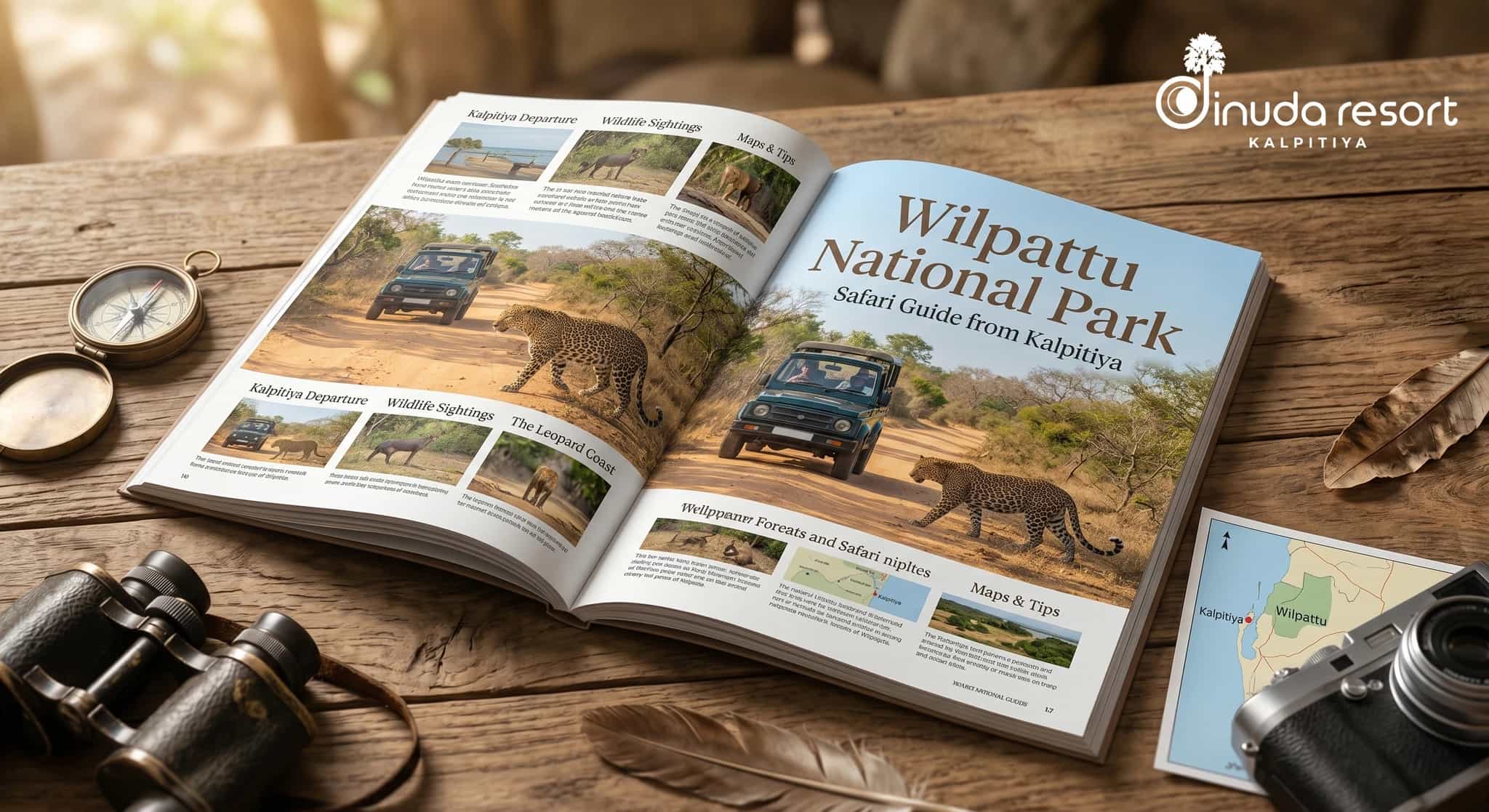
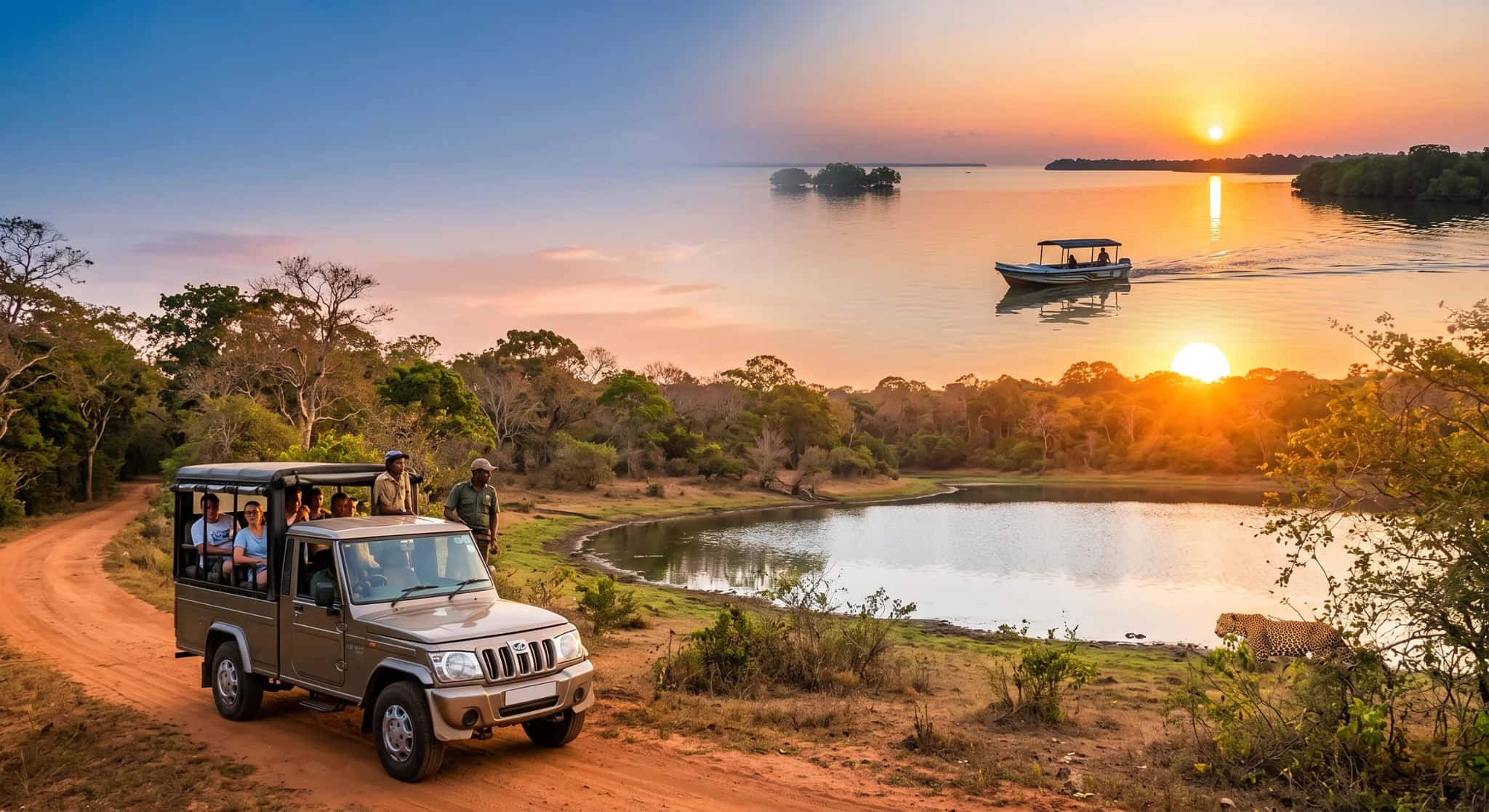
Wilpattu National Park is Sri Lanka's largest national park and one of the few places on earth where you can track leopards through dry-zone forest on a full-day jeep safari. At 1,317 square kilometres, it covers more ground than some European countries. Yet it remains far less visited than Yala, which means quieter tracks, less competition at sightings, and a genuinely wild experience most tourists in Sri Lanka never get.
This guide covers everything you need to know before you go: the best zones, what animals you will actually see, entry fees, jeep hire, the best time to visit, and the fastest route from Kalpitiya.
What is Wilpattu National Park?
Wilpattu sits in Sri Lanka's North Western Province, roughly 170 kilometres north of Colombo and about 90 kilometres east of Kalpitiya. It takes its name from the Sinhala word for natural lakes: willus. These shallow, rain-fed lakes are what make the park ecologically distinct. They attract prey animals to drink, which draws predators, which makes Wilpattu one of the best parks in Asia for leopard sightings.
The park reopened to tourism in 2010 after a 15-year closure during the civil conflict. That long rest from human activity is one reason its wildlife population is in such strong shape today.

Animals You Will See at Wilpattu
The park's biodiversity is remarkable for a single day's driving.
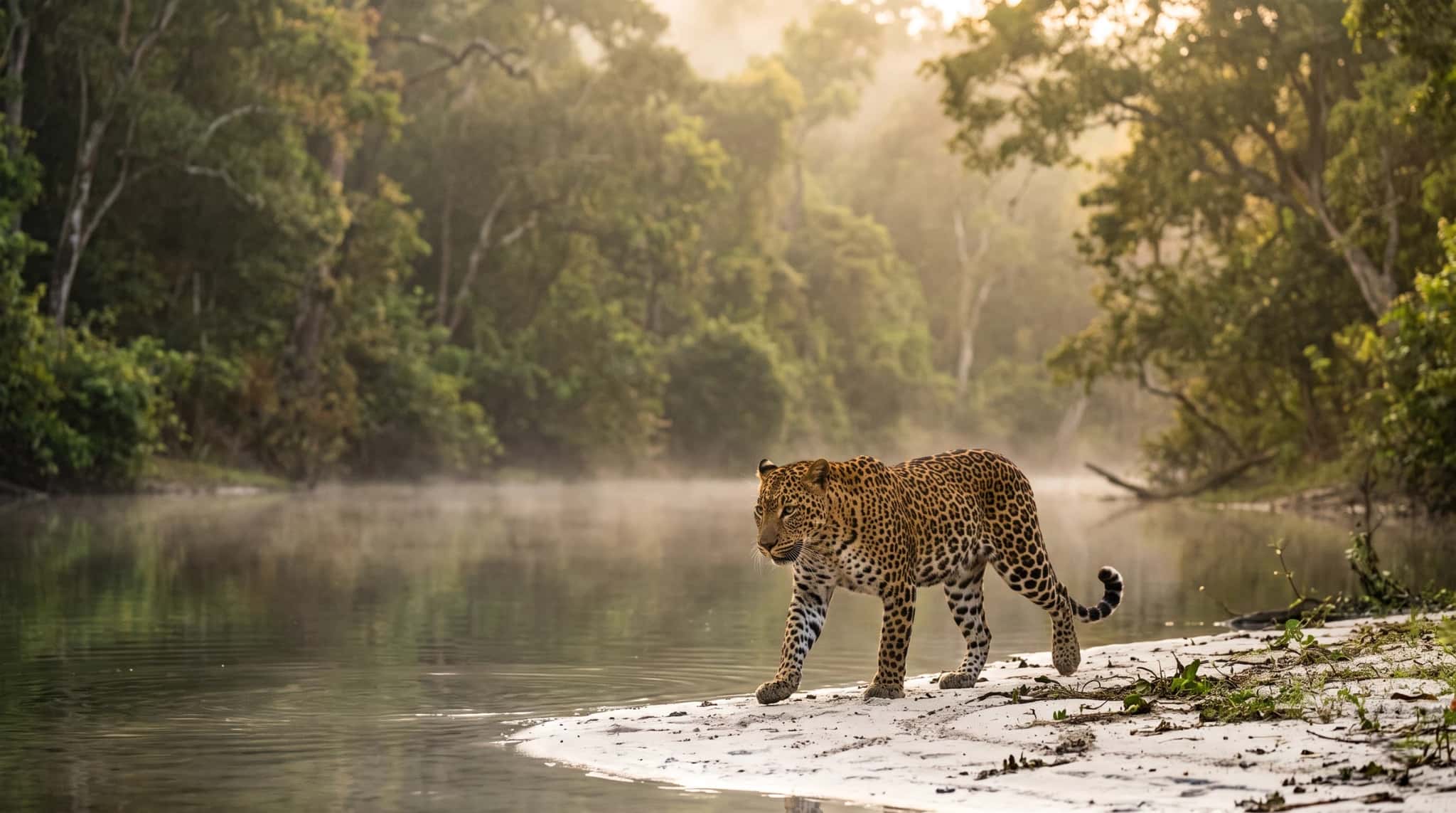
Sri Lankan leopard is the headline attraction. Wilpattu holds one of the highest leopard densities in Sri Lanka. Sightings are most reliable along the willu edges in the early morning and late afternoon. For a deeper look at leopard tracking zones and sighting strategies, read our post on Sri Lankan leopard zones and sighting tips from the Kalpitiya route.
Sri Lankan sloth bear is arguably easier to spot here than anywhere else in the country. They forage along the willu edges and in open scrub. Early morning in the dry season gives the best chance.
Asian elephant herds move through the park year-round, particularly in the central and southern sections.
Other mammals: spotted deer (chital), sambar, water buffalo, golden jackal, fishing cat, and endemic subspecies of the Indian grey mongoose.
Birdlife: over 200 species recorded, including painted stork, grey pelican, purple-faced leaf monkey, and migrant shorebirds around the willus from October to March.
Reptiles: saltwater crocodile, water monitor, and the endemic star tortoise.
Best Zones Inside Wilpattu
Wilpattu is divided into two main circuits accessed from the main gate at Hunuwilagama.
Northern circuit covers the willus closest to the entrance: Kali Villu, Panikkawillu, and Manikepola Uttu. These are the most productive zones for leopard and bear sightings. Most half-day tours stick to this circuit.
Southern circuit goes deeper into the park and takes a full day. The drive passes through dense forest, open scrub, and a series of more remote willus. Elephant sightings are more common here.
A full-day tour covering both circuits gives you the best chance of a leopard sighting and rarely disappoints on bird and elephant counts.

Wilpattu National Park Entry Fee
Fees are set by the Department of Wildlife Conservation Sri Lanka and are quoted in USD for foreign nationals.
| Category | Fee (approx.) |
|---|---|
| Foreign adult | USD 25 per person |
| Foreign child (6-12) | USD 13 |
| Sri Lankan adult | LKR 200 |
| Jeep (tracker vehicle) | USD 12 per vehicle |
| Service charge | 15% added to all fees |
Fees change periodically. Confirm the current rate at the main gate or with your jeep operator before departure. You pay at the gate in cash; cards are not always accepted.
How to Get to Wilpattu from Kalpitiya
Kalpitiya is one of the closest tourist bases to Wilpattu's main gate. The drive takes approximately 90 minutes each way, making a day trip genuinely comfortable with an early start.
Route: Kalpitiya to Puttalam (40 minutes) then south-east on the A12 toward Nochchiyagama, turning onto the B400 for Hunuwilagama gate.
Most resorts in the Kalpitiya area can organise jeep transfers to the park gate. At Dinuda Lagoon Resort we can connect you with trusted local operators who handle gate entry, park jeep, and tracker, so there is nothing to arrange on arrival. Contact us on WhatsApp to arrange your Wilpattu day trip from Kalpitiya.
For comparison of Wilpattu with the island's other main safari destination, read Yala vs Wilpattu: which safari is right for you.
Best Time to Visit Wilpattu National Park
Wilpattu is open year-round, but conditions vary significantly by season.
February to October is the dry season in the North Western Province. Water levels in the willus drop, which concentrates animals around the remaining pools and makes sightings more predictable. Leopard and bear activity at the willu edges peaks in March, April, and May.
November to January brings the North-East Monsoon. The park stays open but some tracks become difficult, and canopy cover is denser. Birding is exceptional during this period as migratory species arrive.
If you are planning a Kalpitiya kitesurfing trip, Kalpitiya's own peak season runs June to October. A Wilpattu day trip slots naturally into the same window. You can check the full Kalpitiya season calendar to plan both activities in the same trip.

What to Pack for a Wilpattu Safari
Pack light but thoughtfully. The jeep is open-sided and tracks are dusty.
Clothing: neutral, earthy tones (khaki, olive, grey). Avoid white, bright colours, or anything that creates noise. Long sleeves protect against sun and insects.
Gear: binoculars are worth bringing. A 100-400mm telephoto lens is the minimum for usable animal photos. A dust cover for your camera bag matters more than most people expect.
Essentials: sunscreen, insect repellent (DEET-based for forest environments), a hat with a full brim, at least 2 litres of water per person, and a light snack. There are no food stalls inside the park.
Start time: gates open at 06:00. Being inside by 06:15 gives you the golden hour and the coolest part of the day, when animals are most active.
Wilpattu vs Yala: Which Should You Choose?
Both parks hold leopards. The key differences:
Wilpattu: larger, quieter, greater sloth bear density, willus as the dominant habitat feature, longer drives between sightings.
Yala: smaller, significantly more tourist vehicles, higher leopard density per square kilometre in the core zones, faster-paced safari experience.
If you are staying in Kalpitiya, Wilpattu is the practical choice: it is 90 minutes away versus a four-hour drive to Yala. It is also the right choice if you want a quieter, more immersive experience. Read the full breakdown at Yala vs Wilpattu: which safari is right for you.

Planning Your Kalpitiya Trip Around Wilpattu
Wilpattu works well as a one-day extension to a Kalpitiya stay. Most guests add it on their final day before the transfer back to Colombo, or on a rest day between kite sessions.
A typical Dinuda Lagoon guest schedule:
- Day 1-4: Kitesurfing lessons and lagoon activities in Kalpitiya
- Day 5: Full-day Wilpattu safari, depart at 05:30, back by 16:00
- Day 6: Colombo transfer (2.5 to 3 hours to the airport)
If you are building a longer Sri Lanka itinerary, see our 7-day Sri Lanka guide and the Kalpitiya 3-day itinerary for how to structure the wider trip.
You can also combine a Wilpattu day trip with a stop at the St. Anne's Church Talawila feast, which lies on the route between Kalpitiya and the park gate.
Book Your Wilpattu Safari from Kalpitiya
Dinuda Lagoon Resort is one of the closest resort bases to Wilpattu National Park. We sit on the Kalpitiya lagoon, 90 minutes from the park gate, and can connect you with vetted local operators for your safari. Come for the kites, the lagoon, and the leopards.
Contact us on WhatsApp to plan your Wilpattu day trip