

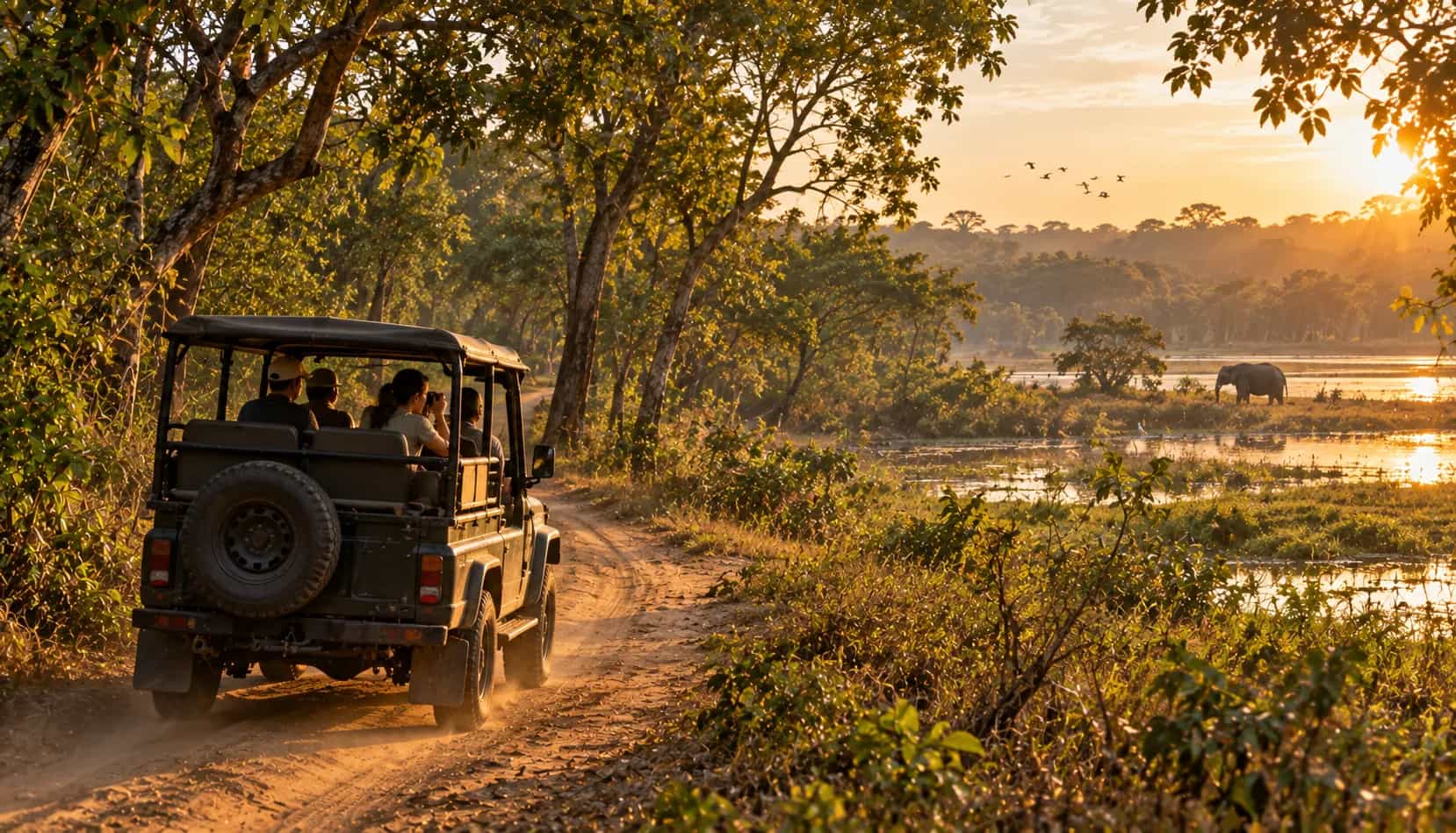
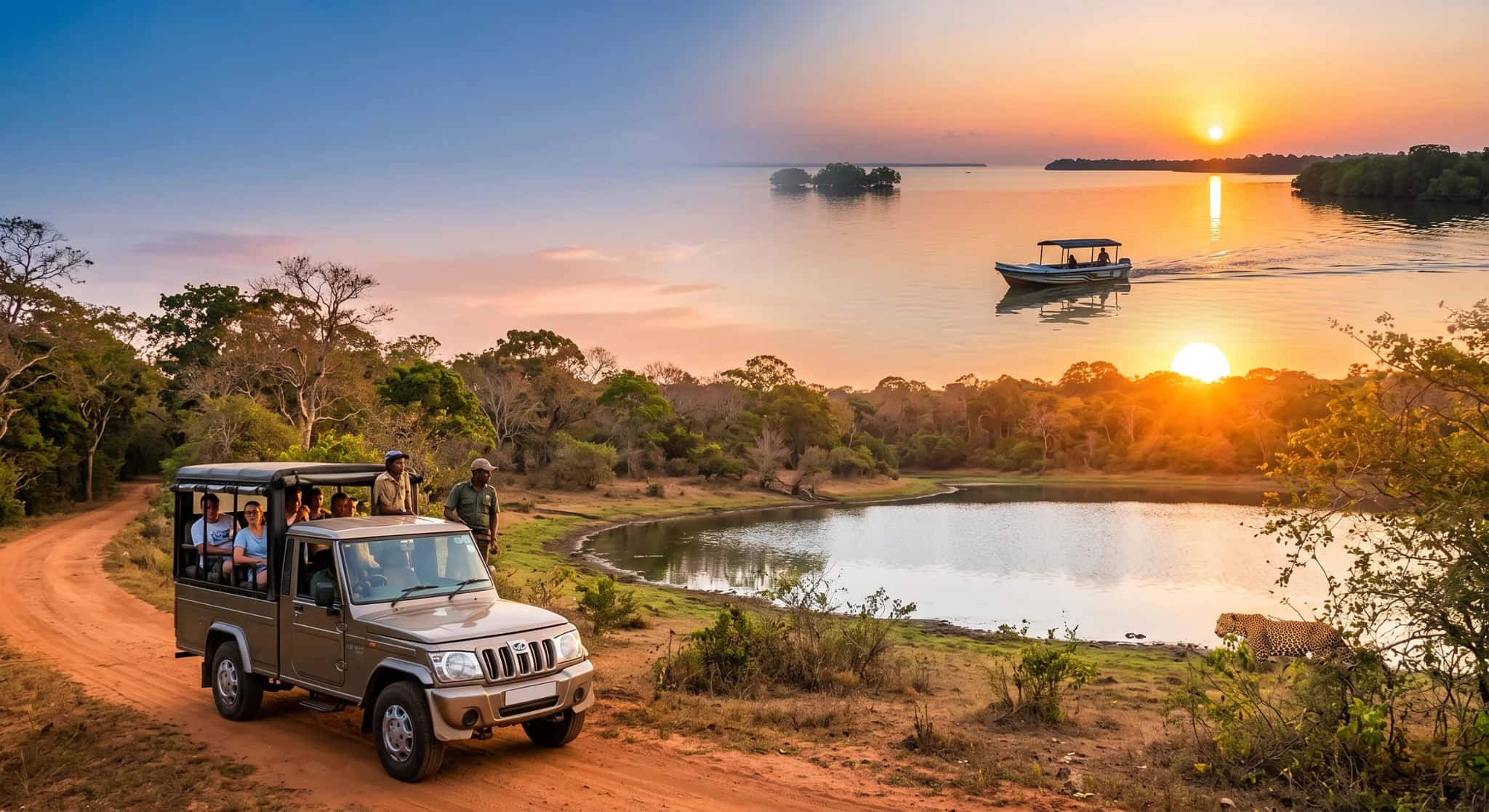
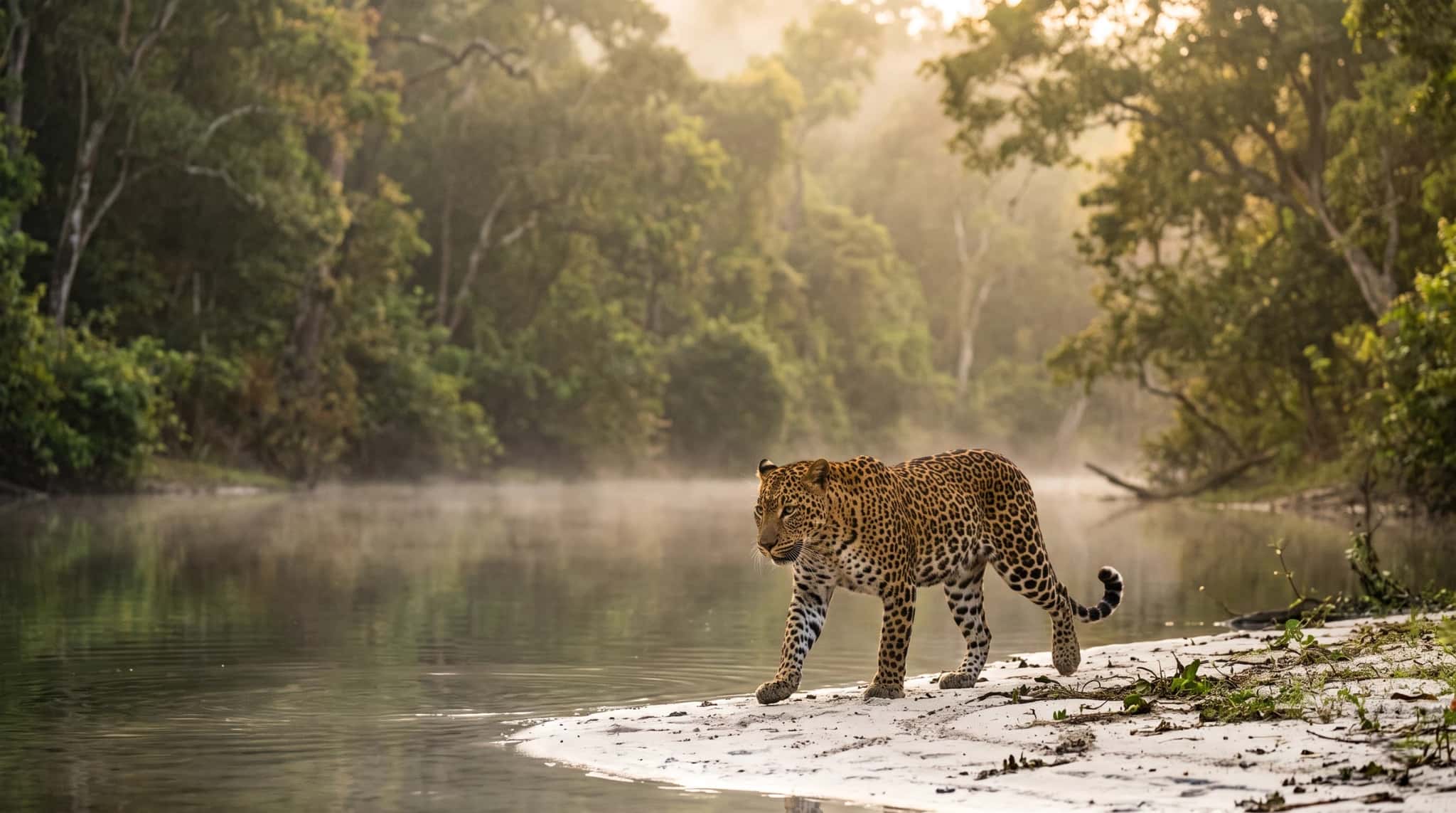
Wilpattu National Park is open year-round, but the experience varies considerably depending on when you arrive. The best window for leopard sightings, sloth bear encounters, and clear tracks is the dry season, which runs roughly February to October across the North Western Province. The wet season brings quieter conditions and exceptional birding, but some zones become inaccessible and wildlife sightings are harder to predict.
If you are planning a trip from Kalpitiya, the good news is that Wilpattu's peak safari window overlaps almost exactly with Kalpitiya's kitesurfing season. You can plan both in the same trip without compromise.
This guide breaks down every month so you can choose the right window for what you want to see.

The Two Seasons at Wilpattu
Wilpattu sits in Sri Lanka's North Western Province, which receives rainfall from two monsoon systems.
South-West Monsoon (May to September): Brings moderate rainfall to the area, mainly in May and June. By July and August the dry zone is in full dry season despite this being the monsoon period for the south and west coasts. Wilpattu remains very accessible.
North-East Monsoon (October to January): This is the wetter period for the North Western Province. Rainfall peaks in November and December. Tracks can become waterlogged, and access to the southern circuit is sometimes restricted after sustained rain.
The transition months of February-April and September-October are often considered the most interesting because conditions are good and animal behaviour is at its most active.
Month-by-Month Breakdown
January
Conditions are improving as the North-East Monsoon tails off. Willu water levels are still high from the December rains, which means good waterbird activity but animals are more dispersed. Leopard sightings are possible but less predictable than peak dry season. Birding is excellent, with migratory species still present. Tracks are generally passable by this point.
Verdict: Good for birding and general wildlife. Not peak leopard season.
February
The dry season begins properly in February. Water levels start dropping in the willus, which begins concentrating prey animals at the remaining water sources. Leopard and sloth bear activity at willu edges picks up noticeably. Tracks are in good condition. Visitor numbers remain moderate.
Verdict: Good. The start of the reliable dry-season window.

March
One of the best months to visit. Willu levels are dropping steadily, prey concentration is high, and predator activity at the water margins is at its most consistent. Temperatures are warm but manageable in the early morning. Sloth bear sightings are frequent. This is a strong month for leopard encounters, with animals moving predictably between the willus.
Verdict: Excellent. One of the top three months of the year.
April
April continues March's conditions. The willus are lower, competition for water among prey species is higher, and predators follow. This is the month with the most reliable leopard sightings according to experienced trackers working the park. Temperatures are at their highest, which means midday in the jeep can be uncomfortable, but dawn and dusk conditions are exceptional.
Verdict: Excellent. Peak leopard and sloth bear month.
May
The South-West Monsoon begins affecting the south and west coasts of Sri Lanka, but Wilpattu's North Western Province location means only patchy rainfall in May. The park remains largely dry and very accessible. Wildlife sightings stay strong. May can feel quieter in terms of tourist traffic because the south coast beach season is winding down, which works in your favour at Wilpattu.
Verdict: Very good. Quieter than March-April with similar conditions.
June
June marks the start of Kalpitiya's kitesurfing season. It also coincides with Wilpattu being in excellent condition for safaris. Some rain arrives in June but the park tracks are rarely affected. This is the sweet spot month for combining a Kalpitiya kite trip with a Wilpattu day trip: both activities are running in their prime window simultaneously.
For everything about Kalpitiya's seasonal patterns, read our Kalpitiya weather and best time to visit guide.
Verdict: Very good. Ideal for combining with Kalpitiya kitesurfing.

July and August
Peak kitesurfing season in Kalpitiya and strong conditions at Wilpattu. The park is dry, tracks are in their best state, and wildlife viewing is consistent. These are the months when most Dinuda Lagoon guests add a Wilpattu day trip to their kite holiday. The weather is stable, the days are long, and an early departure from Kalpitiya gets you into the park for the golden hour without difficulty.
Verdict: Very good. Best months to combine both destinations.
September
The kitesurfing season at Kalpitiya begins to wind down in late September as the Inter-Monsoon period approaches. Wilpattu, however, remains in good condition through most of September. Wildlife sightings are still reliable, tracks are clear, and visitor numbers drop off, giving you more of the park to yourself.
Verdict: Good. Strong safari conditions as crowds thin.
October
October is a transition month. The North-East Monsoon begins arriving in the second half of the month. Early October is still manageable, but by late October some tracks in the southern circuit can become wet. Migratory birds start arriving from this point, making it a rewarding month for birders even if mammal sightings become less predictable.
Verdict: Variable. Early October is fine; late October carries rain risk.
November
The wettest month at Wilpattu. The North-East Monsoon is in full effect. The park stays open, but track access is limited after heavy rainfall and the southern circuit may be restricted. Leopard and bear sightings drop off because prey animals are more dispersed with water widely available. Birding, however, is exceptional: migratory shorebirds, waders, and forest species are all present.
Verdict: For dedicated birders only. Not recommended for mammal-focused safaris.
December
Rainfall continues but begins tapering toward the end of the month. Track conditions are similar to November: accessible in the north, unreliable in the south. The park is very quiet in December, which has appeal for those who want a genuinely uncrowded experience. Birding remains excellent.
Verdict: Quiet, wet, good for birding. Not peak safari season.
Quick Reference: Best Months by Priority
| Priority | Best Months |
|---|---|
| Leopard sightings | March, April, May |
| Sloth bear sightings | March, April, May, June |
| Elephant herds | Year-round, peaks in dry season |
| Birding | October to March (migrants present) |
| Combining with Kalpitiya kitesurfing | June, July, August |
| Quietest crowds | November, December, May |
| Avoid | Late November to mid-January (if mammal sightings are the priority) |
How Wilpattu Aligns with a Kalpitiya Trip
This alignment is one of the most underused advantages of basing yourself in Kalpitiya. The kitesurfing season runs June to October, which covers six months of Wilpattu's strongest safari window.
A typical itinerary works like this:
- Days 1-4: Kitesurfing and lagoon activities at Dinuda Lagoon Resort
- Day 5: Full-day Wilpattu safari, depart 05:30, return by 16:00
- Day 6: Colombo airport transfer
The Wilpattu main gate is 90 minutes from Kalpitiya, which makes the day trip genuinely comfortable. There is no need to overnight elsewhere or break up your stay.
For how to structure the full Kalpitiya itinerary, read our 3-day Kalpitiya travel guide. For the complete Wilpattu planning resource, see the Wilpattu national park complete safari guide. For everything about the wildlife you will encounter, read Wilpattu national park animals: what you will see on safari.
Note: the Day 2 animals post link above should only be added once that post is live in Typeflo. Hold it until then.

What to Book in Advance
Jeep and tracker: Book at least three days ahead in peak season (March to May), two days for the rest of the dry season. Quality trackers with local knowledge fill quickly.
Gate entry: No advance booking required for day visitors. Pay at the Hunuwilagama gate on arrival. The Department of Wildlife Conservation Sri Lanka maintains the official entry fee schedule.
Transfer from Kalpitiya: Your resort can arrange a driver for the 90-minute transfer. At Dinuda Lagoon Resort, contact us on WhatsApp to organise the full day trip including transfer, gate entry, and jeep hire through trusted local operators.