
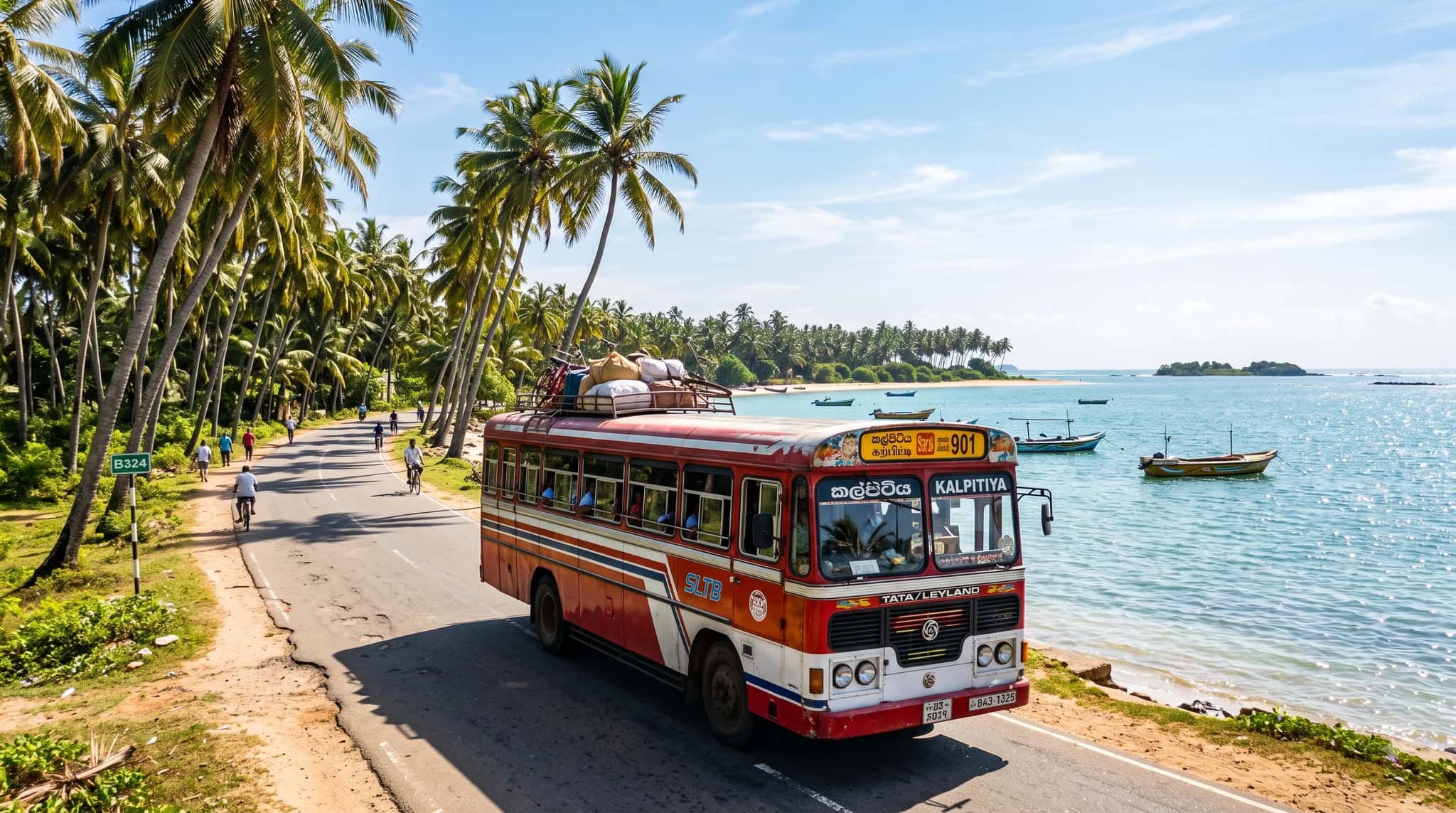
Most people know Kalpitiya as a kitesurfing destination, which leads a lot of parents to assume it is not a family place. That assumption is wrong. Travelling to Kalpitiya with kids works beautifully, provided you plan around what children can actually do here rather than trying to fit them into an adventure sports itinerary. The calm lagoon, the dolphin boats, and the wide empty beaches are genuinely wonderful for families. This guide covers what suits which age, how to pace the days, and the practical details that make the difference.

Why Kalpitiya Works for Families
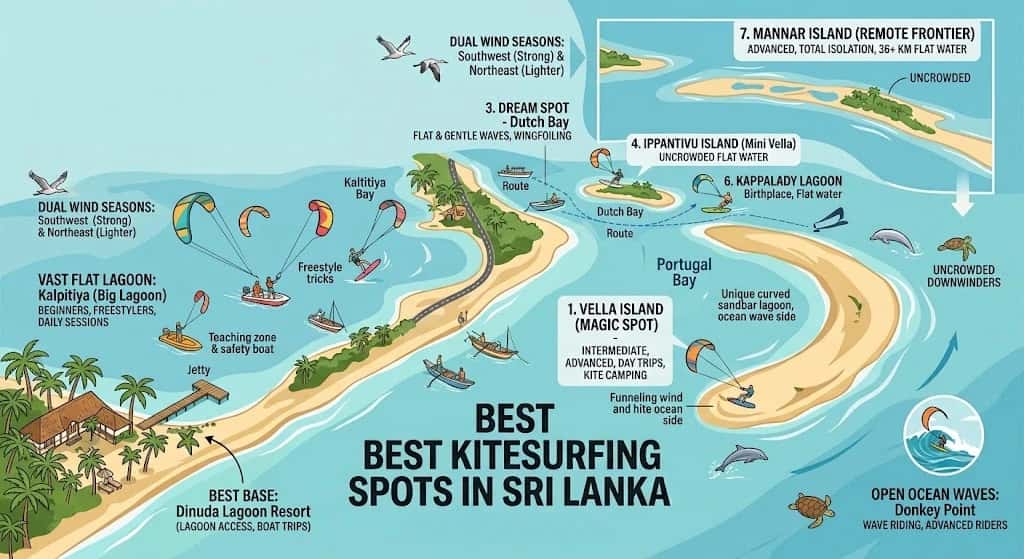
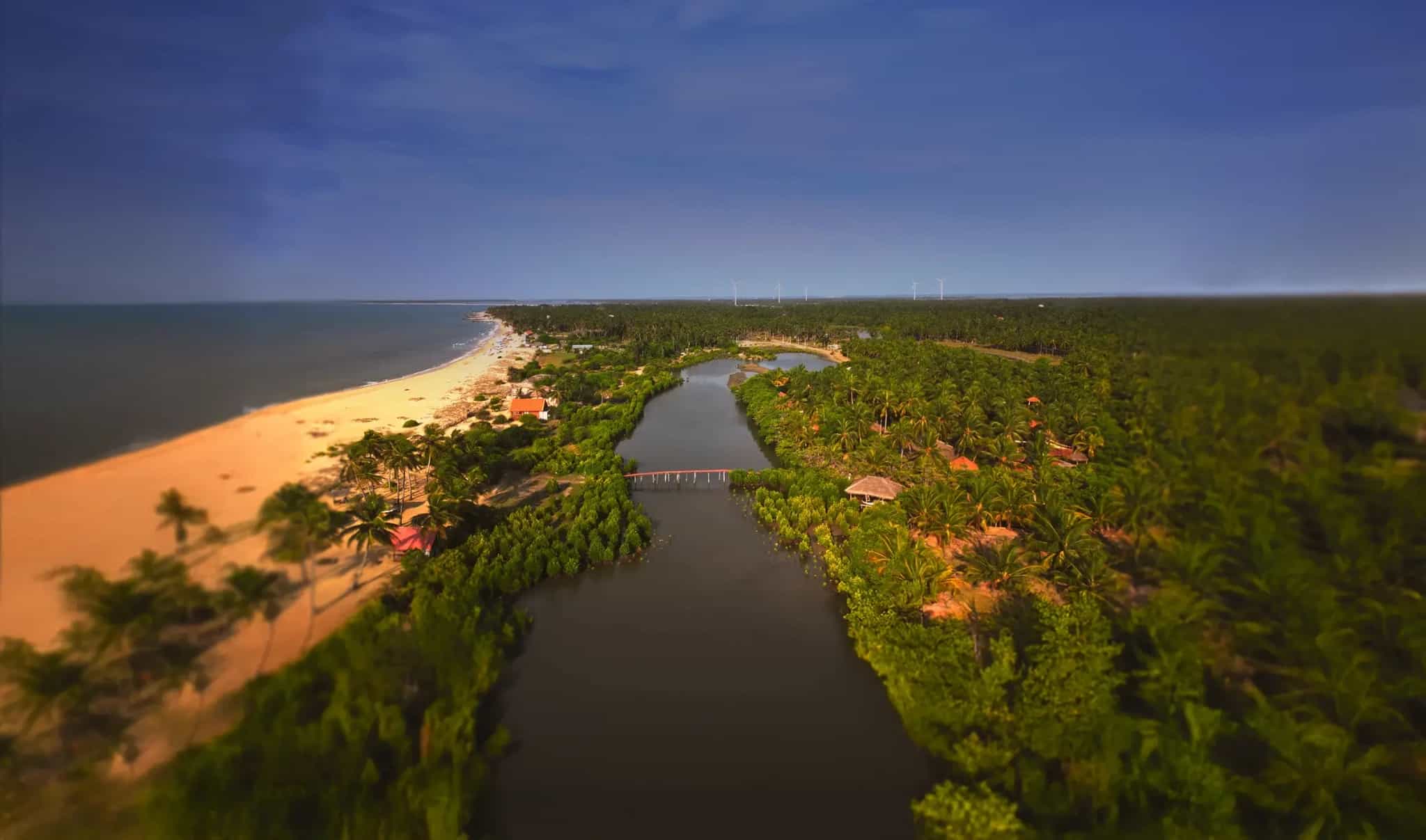
Kalpitiya sits on the northwest coast, and its defining feature is the Dutch Bay Lagoon, a vast sheltered stretch of shallow, flat water separated from the open ocean by a long sandbank.
That geography is the reason it works with children. The lagoon has no waves, no strong current, and in many areas the water stays shallow a long way from shore. It is a far calmer environment than most Sri Lankan beach destinations on the south coast.
The peninsula is also quiet. There are no crowds, no traffic, and very little development. Children have space to run, and parents are not managing them through busy tourist areas.
Age Suitability: An Honest Guide
This is the part most Kalpitiya guides skip, and it is the part that matters most when you are travelling with children. Not every activity here suits every age.
Suitable for all ages (toddlers and up)
- Lagoon paddling and swimming. Shallow, warm, and calm. Ideal for younger children with supervision.
- Beach time on the lagoon shore. Soft sand, no waves, no crowds.
- Kalpitiya Dutch Fort. A one hour visit with guided commentary. Older children find the colonial history genuinely interesting, younger ones enjoy the walk.
- Sunset lagoon boat ride. Short, calm, and visually spectacular.
Suitable from around age 5 to 6
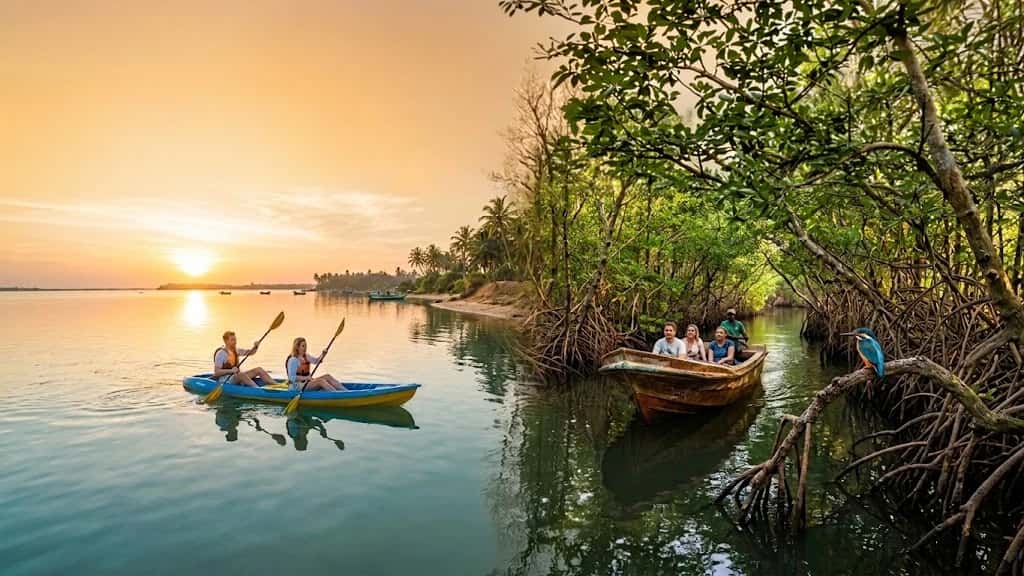
- Kayaking on the lagoon. Younger children ride along with a parent. Best in the early morning before the wind picks up.
- Stand up paddleboarding. Calm lagoon water makes this manageable for children with reasonable balance and confidence in water.
- Mangrove boat tours. Slow, shaded, and full of birds. A good option when children need a calmer day.
- Windsurfing. Some schools start children as young as five to seven on very small rigs.
Suitable from around age 7 to 8
- Dolphin watching. This is often the highlight of a family trip, but be realistic about the format. The boat leaves before sunrise, the trip runs two to four hours, and there is open ocean swell involved. Children who handle boats well love it. Children prone to motion sickness may struggle.
- Sandbank and Kudawa Beach trips. A boat ride each way and a long stretch of open beach with no facilities. Bring everything you need.
Suitable from around age 10 to 12
- Kitesurfing. Most schools set a minimum age of around ten to twelve years for kitesurfing, based on the strength and judgement the sport requires. The International Kiteboarding Organisation sets the instruction standards most reputable schools follow. Younger children are usually directed to windsurfing instead.
- Snorkelling at Bar Reef. Requires confident swimming and comfort in deeper water, plus a longer boat journey offshore.
Better for teenagers and older children
- Wilpattu National Park safari. The full day starts at 5 AM and involves a boat ride, several hours in an open jeep, and a long day in heat. Teenagers find it extraordinary. Younger children often find the length difficult.
- Overnight island camping. Remote, basic, and boat access only. Best suited to older children and adventurous families.
Planning Your Trip to Kalpitiya With Kids
Pace the days properly
The single most common mistake families make here is trying to do everything. Kalpitiya rewards a slower rhythm.
A good pattern is one activity per day, scheduled in the morning, with the afternoon left open for the pool, the lagoon, and rest. The heat peaks in the early afternoon, and children flag quickly in it.
Plan around the two seasons
Kalpitiya has two distinct seasons and they suit different family trips.
November to April is the calmer season, with flat seas and reliable dolphin watching. This is generally the better window for families with younger children, because the ocean is settled and boat trips are comfortable.
June to October is the wind season. Excellent if you have teenagers who want to learn kitesurfing, and the lagoon is spectacular to watch, but the water is busier and windier.
Split the family when it makes sense
If one parent wants to kitesurf and the children are too young to join, the lagoon-front setup makes this easy. One parent can be on the water while the other is with the children on the shore, both in sight of each other. That is not possible at most kite destinations.
Getting there
Kalpitiya is approximately three hours by road from Bandaranaike International Airport and around three to three and a half hours from Colombo city. There is no train to Kalpitiya and no direct bus.
With children, a pre-arranged private transfer is by far the most practical option. It is door to door, air conditioned, and the driver can stop when you need to. For all transport options and costs, see our guide to getting to Kalpitiya from Colombo.
What to Pack for Children
The Kalpitiya sun is strong and the environments vary, so a little preparation goes a long way.
- High factor reef-safe sunscreen, reapplied constantly. There is almost no natural shade on the lagoon or on the boats.
- Wide brim hats and UV rash guards. More effective than sunscreen alone for long days on the water.
- Secure sunglasses with straps. They will otherwise end up in the lagoon.
- A light jacket or fleece for the early morning dolphin boat. It is genuinely cool on the water before sunrise.
- Motion sickness remedies if any child is prone to it, taken well before a boat trip.
- Insect repellent, particularly if you are doing the Wilpattu safari.
- Water shoes. Useful on the lagoon bed and on the sandbank.
- Entertainment for the transfer. Three hours in a car is a long stretch for young children.
Where to Stay With Children
Accommodation matters more here than at a typical beach destination, because so much of your day happens at the property itself.
Look for three things. First, direct lagoon frontage, so children can be in calm water without a transfer. Second, genuine family rooms rather than two adults squeezed into a double. Third, a team that can arrange all the activities in one place, so you are not coordinating separate operators with children in tow.
Dinuda Lagoon Resort sits directly on the Dutch Bay Lagoon and has eight family rooms configured for parents and children, with lagoon-view verandas and full modern facilities. There is an outdoor pool for the hot afternoons, and the restaurant serves at the water's edge, which means dinner with children is relaxed rather than a production.
Because the boats leave from the property, the dolphin watching and lagoon trips involve no early transfers, which makes an unavoidable 5 AM start considerably easier with children. For the full range of what is available, see our guide to things to do in Kalpitiya.
A Sample Four Day Family Itinerary
Day 1: Arrive and settle. Travel in the morning, arrive mid afternoon, and do nothing except the pool and the lagoon shore. Dinner at the water's edge. Early night.
Day 2: Dolphin watching. Early start, back by mid morning, breakfast together. Afternoon completely free for the pool and lagoon paddling. This is the day most children remember. For what to expect on the water, read our dolphin watching guide.
Day 3: Lagoon day. Kayaking or paddleboarding in the calm morning water, a mangrove boat tour, or a trip out to the sandbank. Nothing strenuous. A sunset boat ride to finish.
Day 4: Culture and departure. A morning visit to the Kalpitiya Dutch Fort and the Dutch Reformed Church, lunch, then the transfer back. A gentle final day rather than another early start.
Families with teenagers can swap Day 3 for a kitesurfing lesson or extend the trip by a day to include the Wilpattu safari.