
Sri Lanka offers couples a range of experiences that few other destinations can match within such a compact geography. In a single two-week trip, you can move from a lagoon at sunrise to a colonial fort town to mist-covered tea hills to an empty beach where the water is warm and completely clear. Choosing where to stay makes the difference between a good trip and one that both of you will talk about for years. This guide covers the best places to stay in Sri Lanka for couples across six distinct regions, what each one genuinely offers a romantic trip, and how to combine them into a route that works.

What Couples Actually Want from Sri Lanka
Before mapping the destinations, it helps to be clear about what different types of couples are looking for.
Some come for privacy and nature: a lagoon, a deserted beach, a forest. Others want atmosphere: a fort town with history, rooftop dinners, boutique hotels behind old doors. Some want activity: kitesurfing, wildlife safaris, whale watching. Others want to slow down entirely.
Sri Lanka does all of these. The six regions below are genuinely different from each other. Choosing the right combination for your specific trip is the most important planning decision you will make.
Kalpitiya and the Northwest Coast
Kalpitiya is the region that most couples who visit Sri Lanka have not heard of before they arrive, and the one they talk about most when they get home.
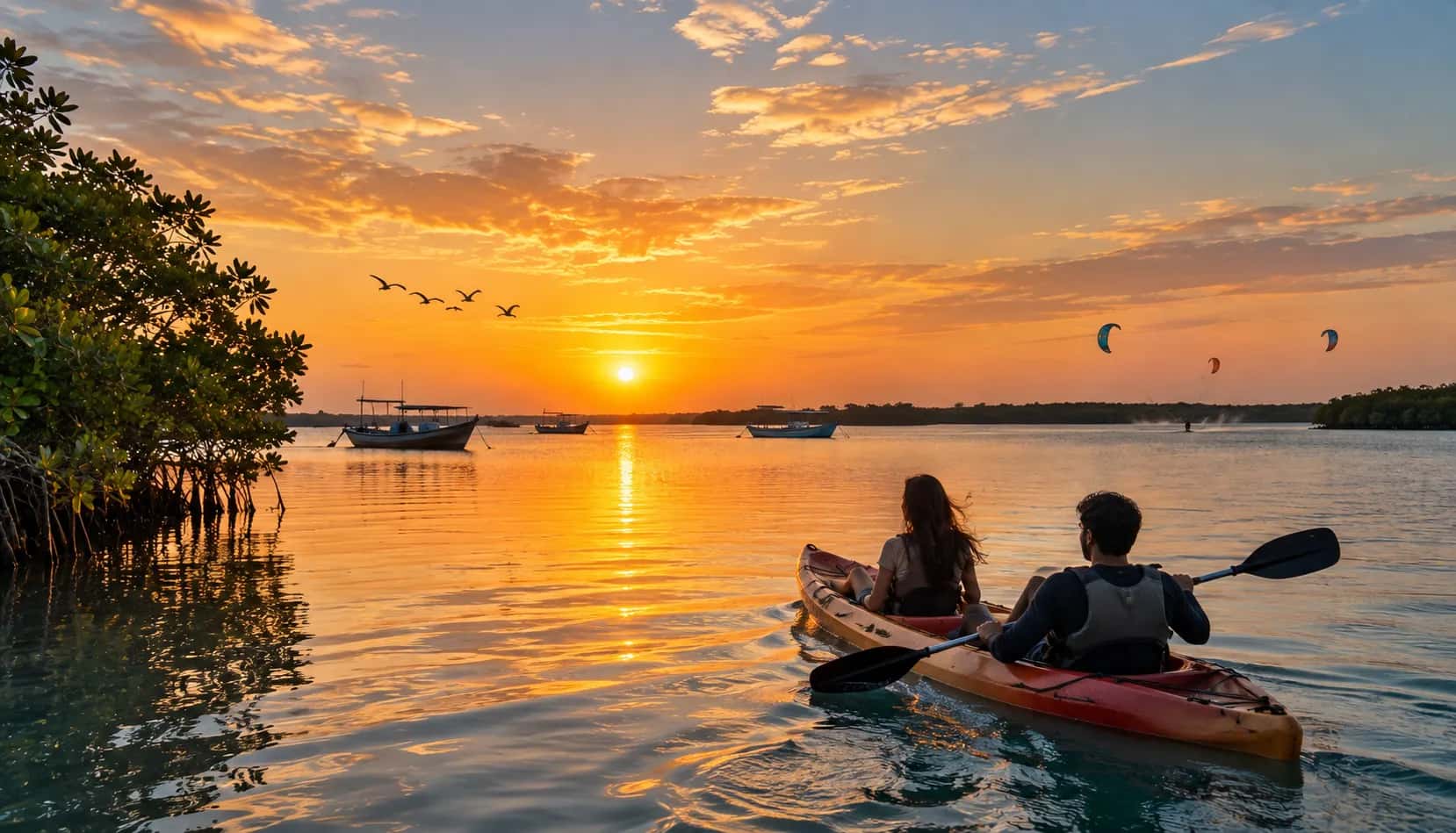
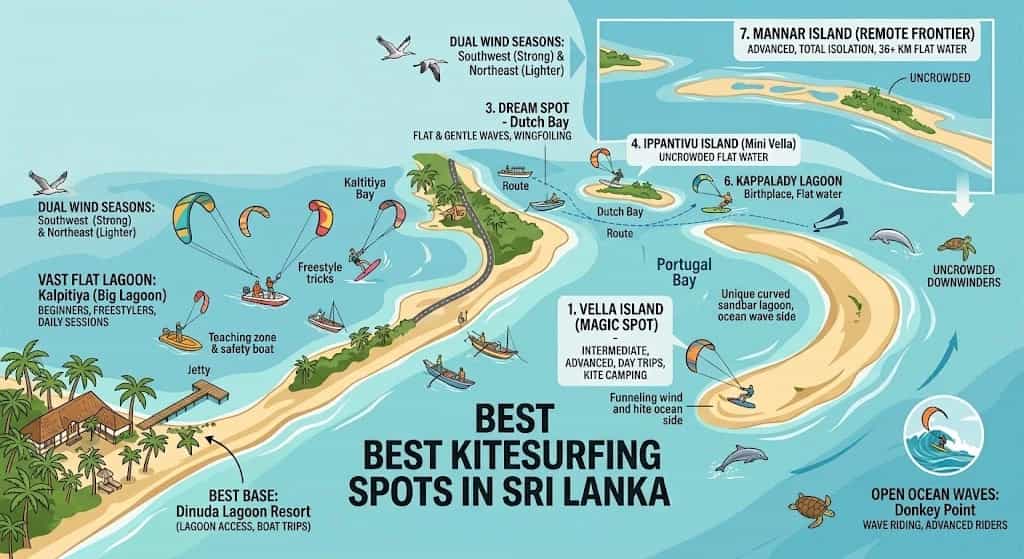
The northwest coast sits approximately 175 kilometres from Colombo, three hours by road. The Dutch Bay Lagoon runs along the eastern side of the Kalpitiya peninsula, flat and reflective and fringed with mangrove. On the western side, the Indian Ocean. The peninsula itself is narrow, in places less than a kilometre wide.
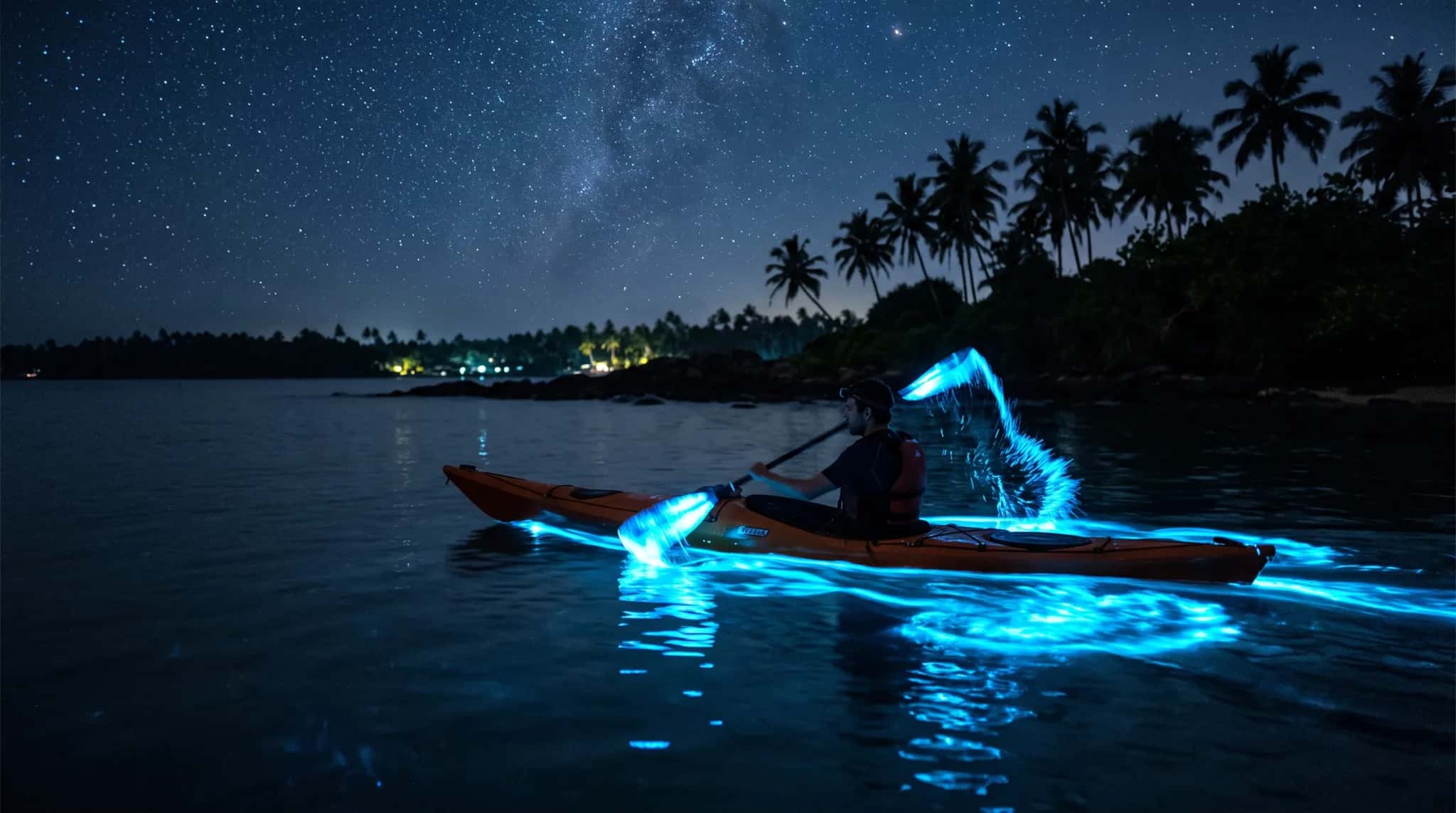
What Kalpitiya offers couples that no other part of Sri Lanka can replicate is access. Dolphin watching boats depart at sunrise directly from the lagoon frontage. Night kayaking through bioluminescent water is arranged from the same dock. A private boat trip to the white sandbank that separates the lagoon from the ocean is a forty-minute crossing from the resort. Bar Reef, Sri Lanka's largest coral reef system covering 306.7 square kilometres, is reached in under an hour by boat and snorkelled in water so clear the coral is visible from the surface.
The light here is different from the south coast. There is almost no development on the horizon. The nights are dark enough to see the Milky Way from the terrace. Kalpitiya has all the ingredients for the kind of trip that happens entirely on and around the water, in a place that does not feel finished or packaged.
Dinuda Lagoon Resort sits directly on the Dutch Bay Lagoon in the Sethawadiya area of the peninsula. Accommodation ranges from lagoon-view chalets to glass cabanas at the water's edge. Every experience in this guide departs from or is arranged by the resort team. For a full breakdown of the area and where exactly to base yourselves within Kalpitiya, read the where to stay in Kalpitiya area guide.
Best for: Couples who want nature, privacy, marine wildlife, and a genuinely off-circuit experience.
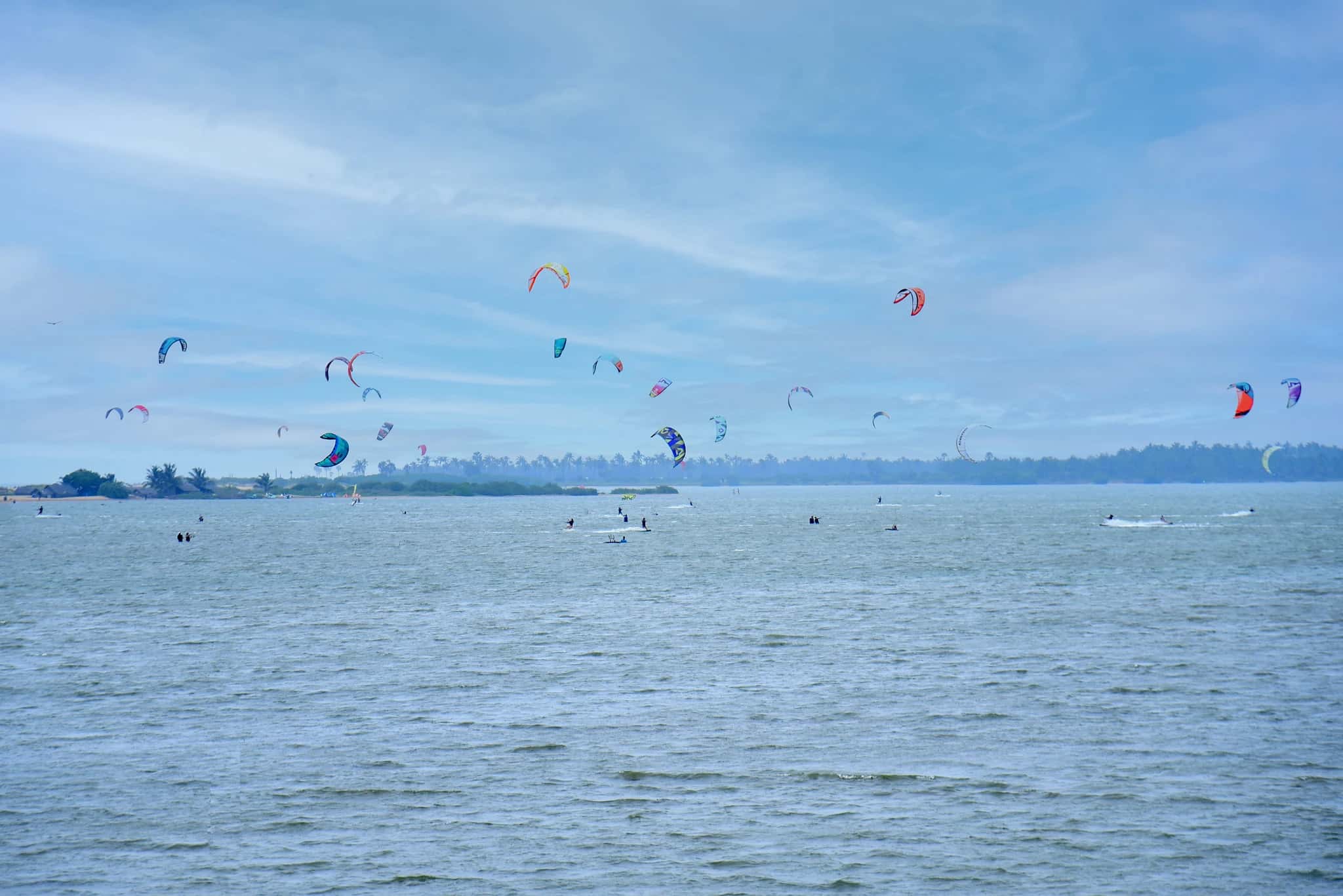
Season: November to April for dolphin and whale watching, Bar Reef snorkelling, and calm lagoon conditions. May to October for kitesurfing.

Galle and the South Coast
Galle Fort is one of the most atmospheric places to spend two or three nights in Sri Lanka. The Dutch colonial ramparts enclose a small town of boutique hotels, independent restaurants, jewellery studios, and art galleries, all within walking distance of each other. The sea is visible from almost every street.
Staying inside the fort walls puts you in a setting that has barely changed structurally for three centuries while being very comfortable. Boutique properties within the fort range from converted colonial homes to heritage guesthouses with four-poster beds and courtyard gardens. Evening drinks on the ramparts at sunset, looking out over the Indian Ocean, are one of those predictably beautiful moments that remains genuinely good every time.
The area south of Galle, toward Unawatuna and Tangalle, offers calmer beaches and smaller properties. Unawatuna is a crescent bay with good snorkelling. Tangalle is quieter and more remote, suited to couples who want to disappear rather than explore.
Best for: Couples who want colonial atmosphere, boutique hotels, good restaurants, and easy walking.
Season: November to April for the south coast.
Ella and the Hill Country
Ella is a small mountain village in the central highlands, surrounded by tea estate ridges and jungle-covered peaks. The Nine Arch Bridge, a colonial-era stone viaduct, is among the most photographed structures in Sri Lanka. The train journey from Kandy to Ella through the tea country is consistently described as one of the most scenic rail journeys in the world.
For couples, Ella works as a place to slow down after more active sections of a trip. The guesthouses and small boutique properties here sit on hillside terraces with views across the valley. Mornings are cool and misty. The walking options, from Little Adam's Peak to the Ravana Falls trail, are manageable on any fitness level and dramatically beautiful.
Accommodation in Ella ranges from simple guesthouses to small boutique stays with infinity pools overlooking the valley. The village itself has a range of restaurants, cafes, and bars that function long into the evening.
Best for: Couples who want scenery, cool air, a slower pace, and the famous train journey.
Season: Year-round, though the dry season from December to April sees the clearest skies.

Mirissa and the South Coast Whale Watching Belt
Mirissa is Sri Lanka's primary whale watching destination and, in season, one of the most reliable places in the world to see blue whales at close range. The town is a beach resort in the conventional sense: restaurants on the sand, coconut trees, a busy main beach, and a cluster of smaller coves that are quieter and more private.
For couples who want a whale watching morning followed by an afternoon at the beach, Mirissa works efficiently. The whale watching boats depart early, return mid-morning, and leave the rest of the day for the beach, the pool, or a drive along the south coast.
The style of accommodation here ranges from simple beach guesthouses to boutique villas in the hills above the town with plunge pools and sea views. The higher up the hill you stay, the quieter and more private the experience.
Best for: Couples combining whale watching with a beach stay. Best for blue whale probability in Sri Lanka.
Season: November to April for whale watching. The rest of the year the sea is rougher.
Kandy
Kandy is Sri Lanka's cultural capital and sits in a natural bowl of hills around a lake. The Temple of the Tooth Relic, the Kandyan dance performances, the botanical gardens at Peradeniya, and the lake walk are the core of what makes Kandy worth two or three nights on a Sri Lanka itinerary.
As a couples destination, Kandy works better as part of a route than as a standalone stay. The heritage hotels here, often colonial-era properties on the hill above the lake with period furniture and wide verandas, have a particular atmosphere that suits a transitional night between the cultural triangle and the hill country.
Best for: Couples who want cultural depth, colonial heritage hotels, and a lakeside town atmosphere.
Season: Year-round.
Trincomalee and the East Coast
Trincomalee on the northeast coast is the most underrated couples destination in Sri Lanka for those visiting between May and September, when the southwest monsoon makes the south coast rough and the east coast is in its dry season.
Nilaveli and Uppuveli beaches north of the town offer white sand and turquoise water at their best in this window. Whale watching off Trincomalee runs from May to October and covers sperm whales and blue whales in conditions different from the south coast. Pigeon Island, a short boat ride offshore, is the best reef snorkelling site on the east coast.
The accommodation options here are smaller and less developed than the south, which for couples who want to avoid the more heavily touristed areas is a genuine advantage rather than a limitation.
Best for: Couples travelling between May and September, east coast beach lovers, divers.
Season: May to September.
How to Combine These Destinations
A two-week Sri Lanka trip for couples can move through two to three of these regions without feeling rushed. The two strongest combinations are:
South and Northwest loop: Fly into Colombo, spend the first nights in Kalpitiya for the lagoon, dolphin watching, and the northwest experience, then travel south through Kandy and Ella to the south coast and Galle before returning to Colombo. This route covers the widest range of experiences without doubling back.
Cultural and Coast: Colombo, Cultural Triangle (Sigiriya, Dambulla), Kandy, train to Ella, south coast (Mirissa or Galle), then north to Kalpitiya for the final four nights before departure. Ending at Kalpitiya works particularly well because the airport transfer from the northwest to Colombo is straightforward.
For a full itinerary that incorporates Kalpitiya into a two-week Sri Lanka route, read the Sri Lanka two-week travel guide.
Plan Your Sri Lanka Couples Trip
Sri Lanka works beautifully as a couples destination across every region. Kalpitiya on the northwest coast is the part that most couples discover only on a second visit, if at all. The lagoon, the dolphins, the glowing water at night, and the sandbank accessible only by boat are the experiences that travel writers and standard itinerary guides consistently leave out, which is precisely what makes them worth seeking out.
Dinuda Lagoon Resort is on the Dutch Bay Lagoon in Kalpitiya, with rooms from lagoon-view chalets to glass cabanas at the water's edge. The resort team arranges all marine wildlife trips, night kayaking, sandbank excursions, and airport transfers directly.