
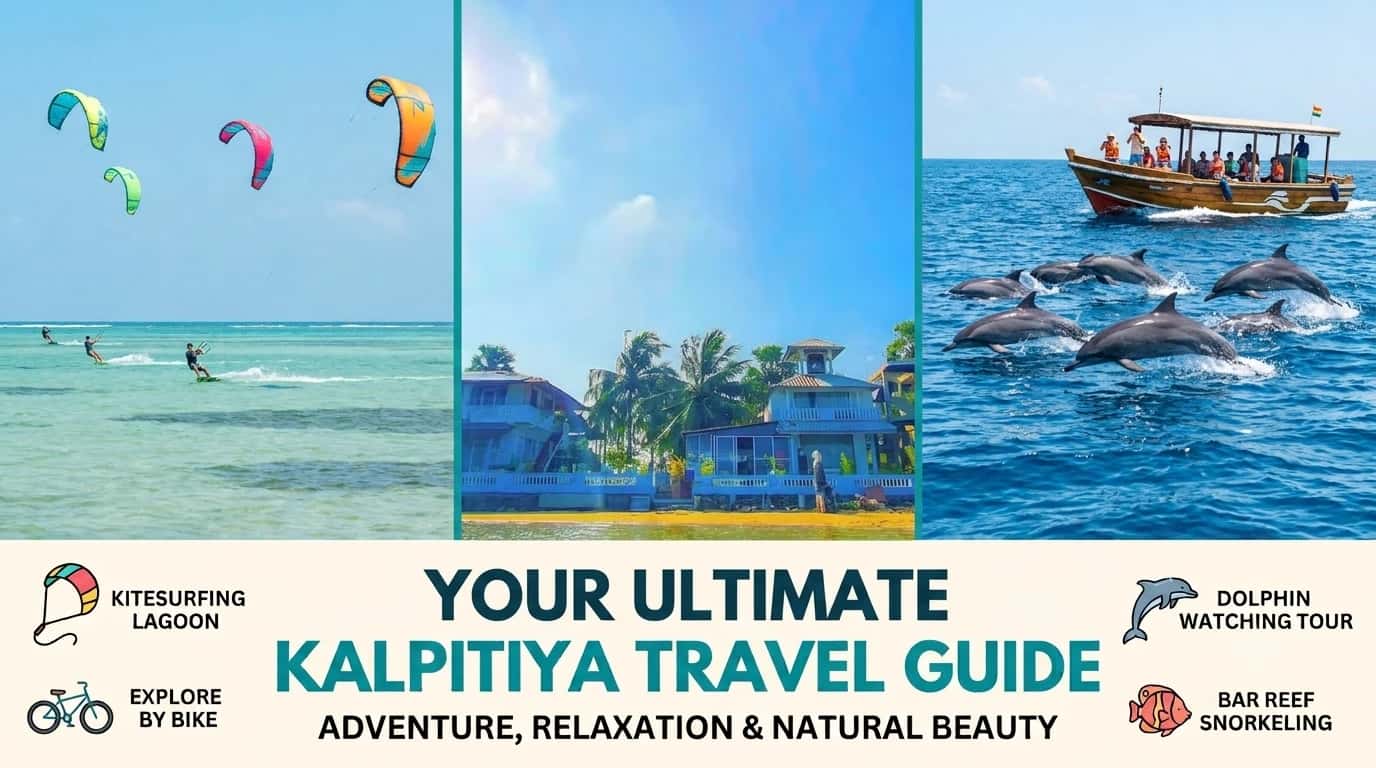
Two weeks is the right amount of time to do Sri Lanka properly. It is also the point where most itineraries stop following the same script and start becoming genuinely interesting. The standard one-week circuit, Colombo, Sigiriya, Kandy, Ella, Yala, Galle, is excellent and well-trodden for good reason. Fourteen days opens up a different kind of trip, one that has room for the northwest coast, the marine wildlife, and the lagoon experiences that the one-week version never reaches. This guide shows exactly how to fit Kalpitiya into a two-week Sri Lanka itinerary, with two complete route options depending on which direction you prefer to travel.

Why Most Sri Lanka Itineraries Skip Kalpitiya
The answer is geography, not quality. Kalpitiya sits on the northwest coast of Sri Lanka, 175 km from Colombo and roughly 2.5 hours by road. The standard tourist circuit runs clockwise from Colombo toward the Cultural Triangle, then east and south through the hill country and down to the south coast beaches. Kalpitiya is northwest, and working it into a one-week loop without significant backtracking is genuinely difficult.
With two weeks, the logistics change. You have enough days to start northwest, loop through the Cultural Triangle, descend through the hill country, and reach the south coast before flying home. Or to do the standard circuit and reward yourself with three or four days on the Kalpitiya lagoon before your departure flight.
The northwest coast is not on the standard trail. That is partly why it is still extraordinary.
What Kalpitiya Adds to a Sri Lanka Trip
Before mapping the route, it is worth being clear about what the northwest coast actually offers that the rest of the island does not.
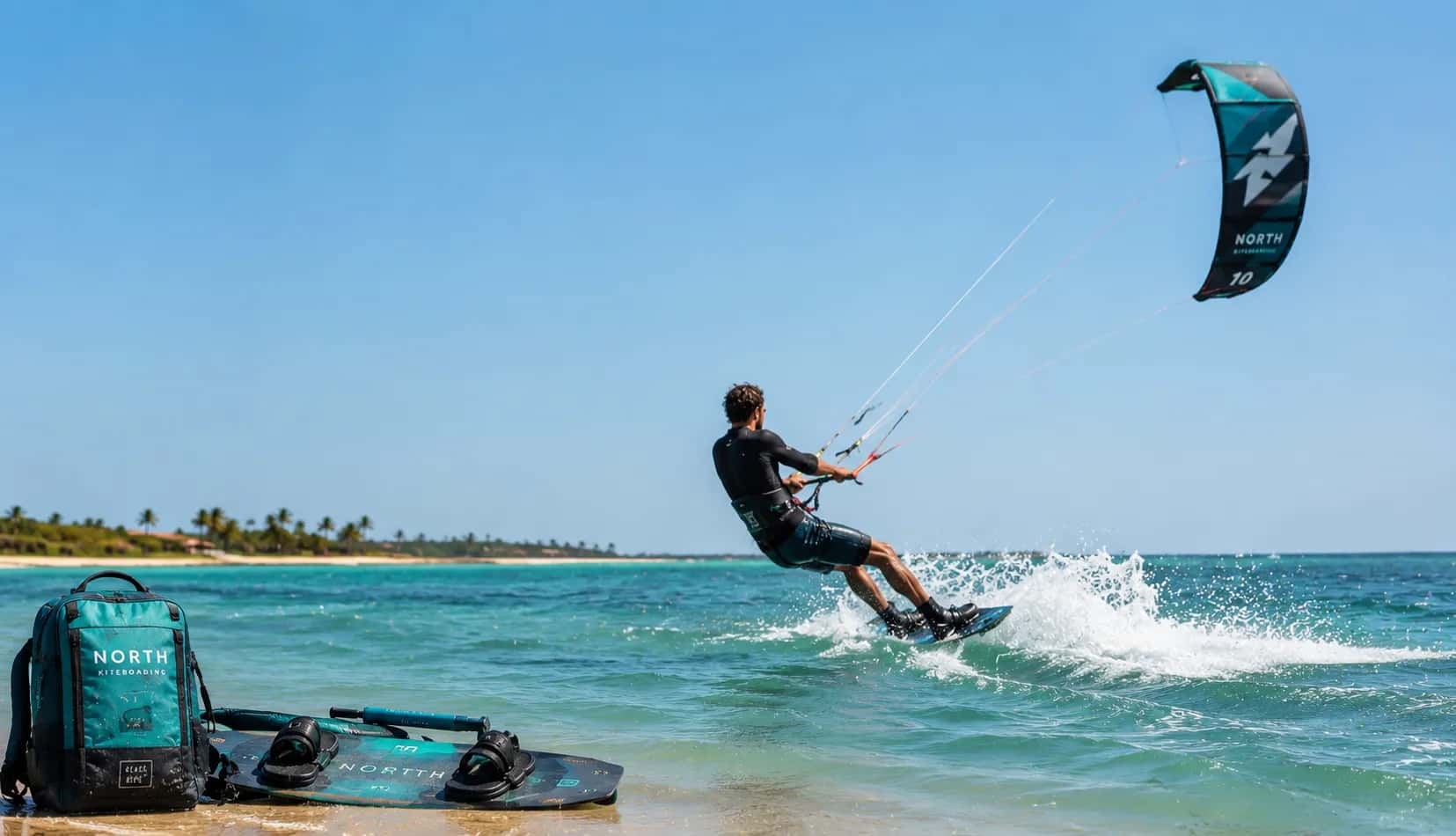
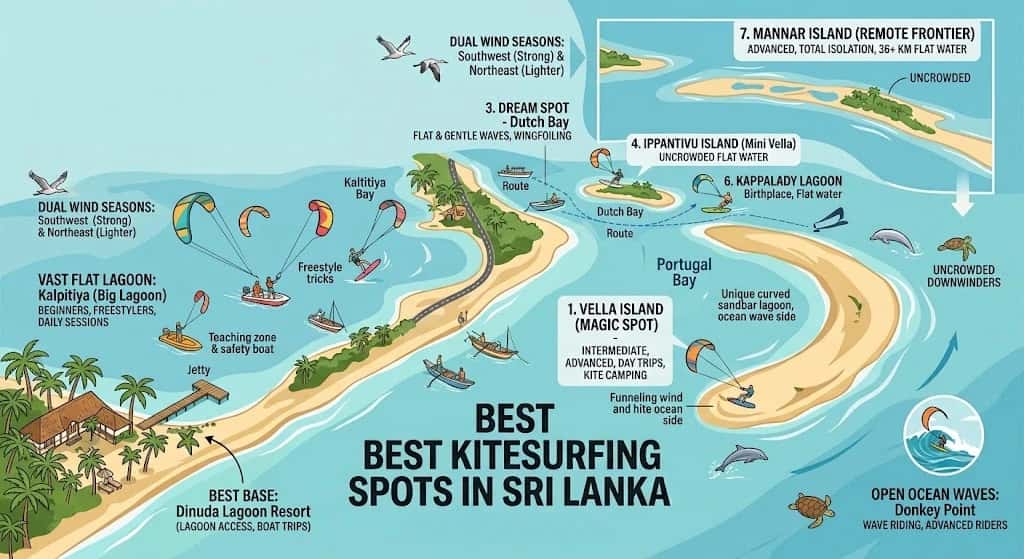
Kitesurfing. Kalpitiya is the kitesurfing capital of Sri Lanka and one of the finest flat water kite destinations in Asia. The Dutch Bay Lagoon provides consistent 20 to 30 knot winds from June to October and lighter 15 to 20 knot winds from December to March. If you kite or want to learn, there is nowhere else in Sri Lanka to do it at this level.
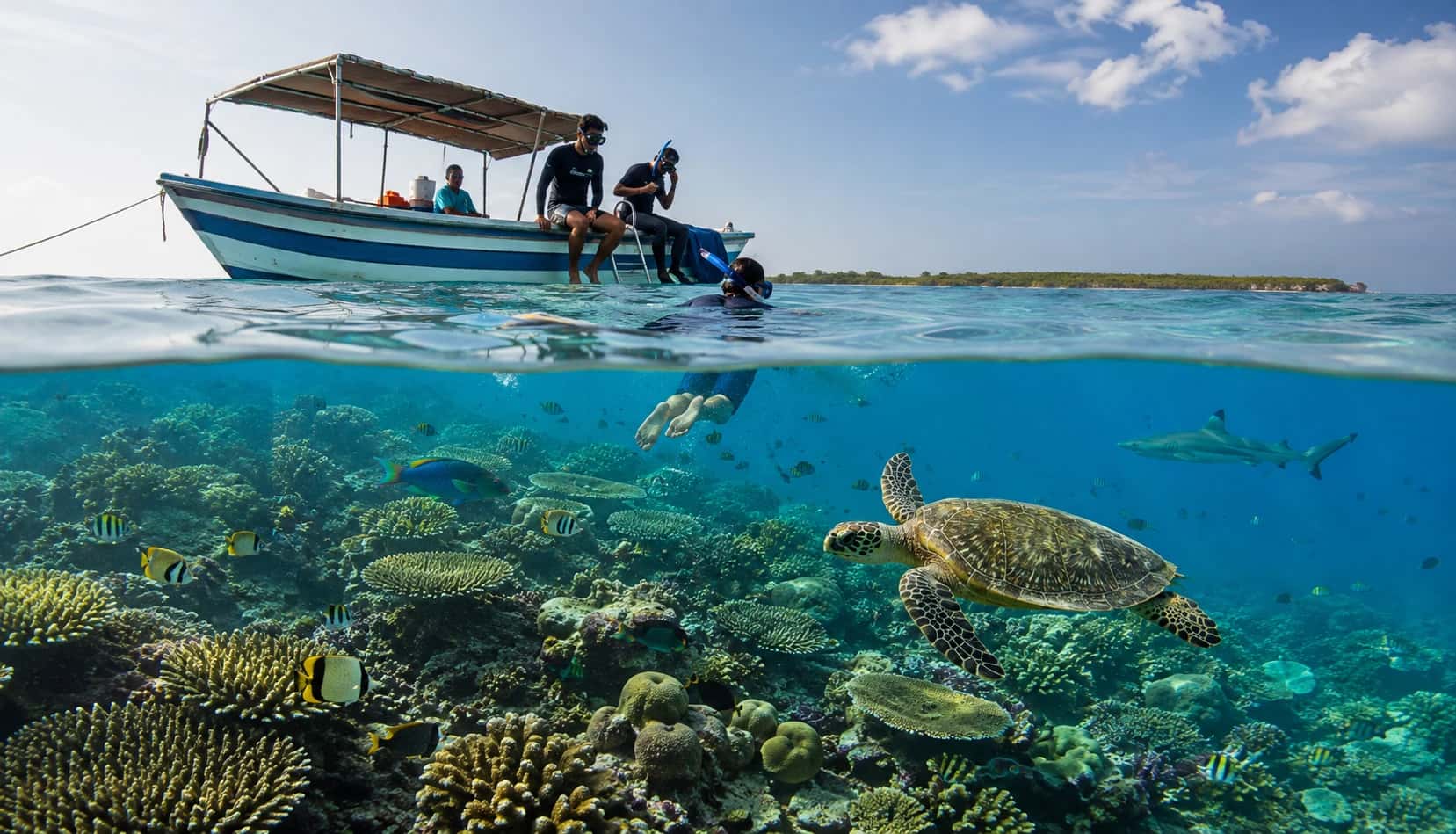
Dolphin watching. From November to April, spinner dolphins gather off the Kalpitiya coast in pods of hundreds. Sperm whale superpods appear in March and April. This is one of the most significant marine mammal watching destinations in South Asia, completely absent from the south coast circuit.
Wilpattu National Park. Sri Lanka's largest national park borders the northwest coast. The approach from Kalpitiya by sunrise boat across the lagoon is the only water-access route to the park in the country, and the northern Eluwankulama zone it opens gives access to the most productive leopard sighting areas with a fraction of the vehicles found in Yala.
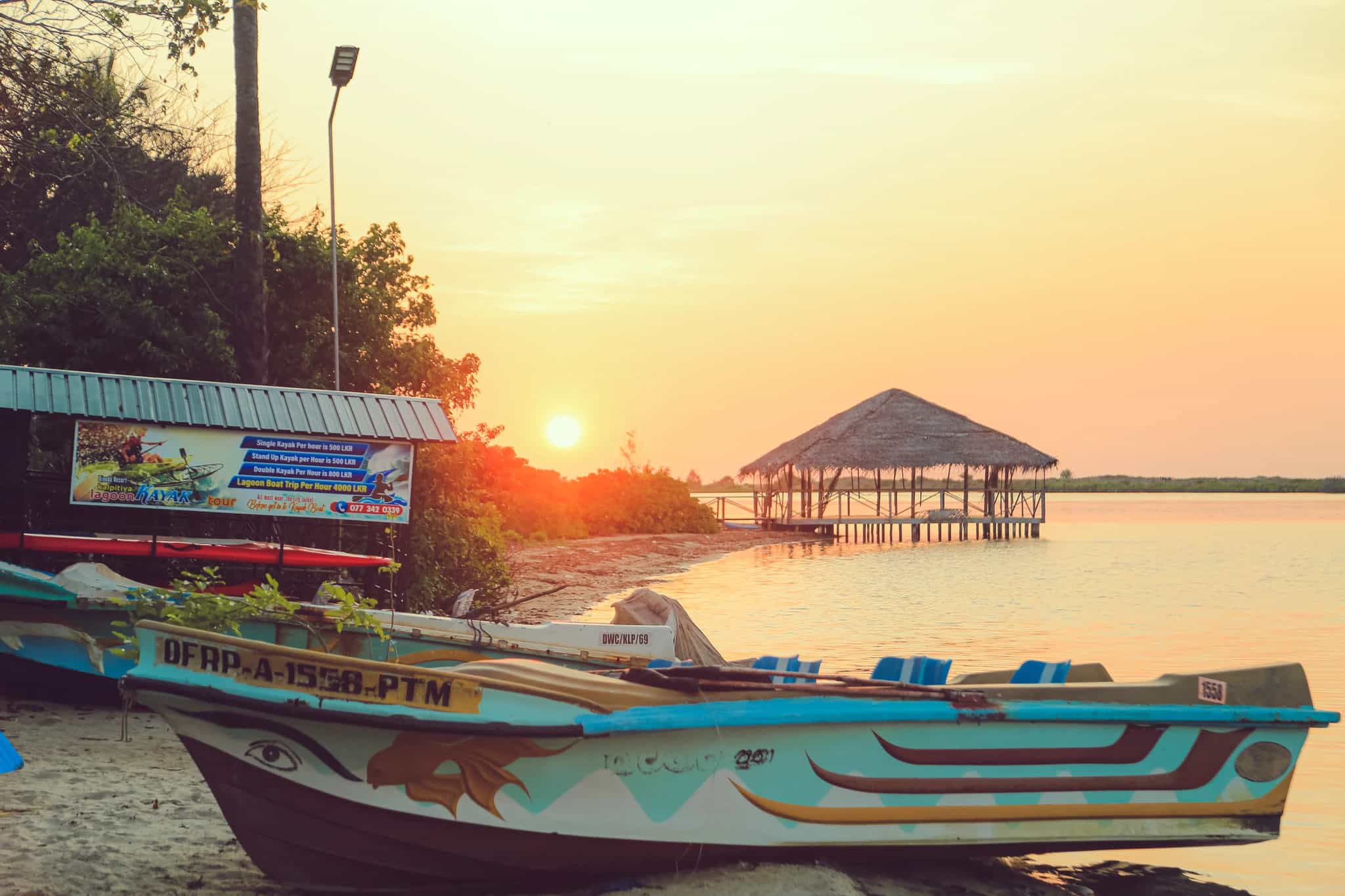
The lagoon itself. The Dutch Bay Lagoon, the mangrove channels, the sandbanks, and the 14 uninhabited islands are a complete ecosystem that the south coast cannot replicate. Lagoon kayaking, mangrove boat tours, and island camping all exist in a setting that most international visitors never discover because their itinerary runs out before it reaches the northwest.
For the full range of what is available, see the things to do in Kalpitiya guide.

Route Option A: Kalpitiya First (Recommended)
This route starts at Kalpitiya immediately after landing, before the tourist trail begins. The northwest first approach suits marine wildlife visitors, kitesurfers, and anyone who wants to open with something genuinely unexpected before the standard highlights.
Why Kalpitiya first works logistically: Bandaranaike International Airport is 130 to 140 km from Kalpitiya by road, approximately 2.5 to 3 hours by private transfer. Flying into Colombo and continuing northwest to Kalpitiya on the same day eliminates the Colombo city arrival entirely and puts you on the lagoon by late afternoon. The return journey toward the Cultural Triangle begins naturally from Kalpitiya and heads northeast toward Anuradhapura.
The Full 14-Day Route
Days 1 to 4: Kalpitiya
Arrive at Colombo Airport and transfer directly to Kalpitiya. The northwest coast is your first impression of Sri Lanka: flat lagoon water, kites in the sky, fishing boats at dusk. Use these four days for the experiences that make the northwest unique. Day 2 is dolphin watching at dawn and Bar Reef snorkelling in the morning. Day 3 is the Wilpattu safari by sunrise boat — the full day with jungle breakfast and the Gagewadiya river lunch. Day 4 is the lagoon: kayaking in the mangrove channels, a sandbank trip by boat, or a rest day before the long drive east. For the complete Kalpitiya guide, read the three-day Kalpitiya itinerary.
Day 5: Kalpitiya to Anuradhapura
The drive from Kalpitiya to Anuradhapura takes approximately two to two and a half hours. Anuradhapura is one of Sri Lanka's ancient capitals and a UNESCO World Heritage Site, with ruins spread across a vast archaeological park. Spend the afternoon and evening here.
Days 5 to 7: The Cultural Triangle
From Anuradhapura, the Cultural Triangle is straightforward. Sigiriya and its famous rock fortress, Dambulla Cave Temple, and Polonnaruwa are all within two hours of each other. Three nights in this zone covers the major sites without rushing.
Day 8: Cultural Triangle to Kandy
The drive from Sigiriya to Kandy takes approximately two hours. Kandy is Sri Lanka's second city and cultural capital, home to the Temple of the Tooth Relic. One full day and night in Kandy is the right amount.
Days 9 to 11: Hill Country
The iconic train from Kandy toward Ella passes through tea country, one of the most photographed train journeys in the world. Nuwara Eliya, Haputale, and Ella provide the hill country experience: misty mountains, waterfalls, and a pace completely unlike the coast. Two nights in Ella, with the Nine Arch Bridge and Little Adam's Peak on the activity list.
Days 12 to 14: South Coast
From Ella, the south coast is three to four hours by road. Mirissa for the beach and the dolphin boats (smaller pods than Kalpitiya but beautiful). Galle Fort for the colonial history and the restaurants inside the Dutch ramparts. Unawatuna for the last swim before the airport transfer. Colombo Airport is two hours from Galle.

Route Option B: Kalpitiya Last
This route follows the standard circuit and adds Kalpitiya as the final chapter before flying home. It suits travellers who want to follow an established pattern and discover the northwest coast as an unexpected ending rather than an opening.
The logic: By day eleven or twelve, most Sri Lanka travellers have seen the Cultural Triangle, the hill country, and the south coast. They are tired in a good way, looking for somewhere with water, space, and a different pace. Kalpitiya delivers all three within a three-hour drive from Colombo, and the resort experience there is calmer and less packaged than the south coast.
The Full 14-Day Route
Days 1 to 3: Colombo and Sigiriya
Arrive in Colombo. One night in the capital or a direct transfer to Sigiriya, three hours northeast.
Days 4 to 6: Cultural Triangle
Sigiriya, Dambulla, Polonnaruwa. Three days covers the main sites.
Day 7: Kandy
Drive south to Kandy. Temple of the Tooth, botanical gardens, lake walk.
Days 8 to 10: Hill Country
Kandy to Ella by train or road. Nuwara Eliya and Ella. Two nights minimum.
Days 10 to 11: South Coast
From Ella to the south coast. Mirissa or Tangalle for a night or two.
Days 11 to 14: Kalpitiya
Drive from the south coast through Colombo to Kalpitiya, allow four to five hours. Three nights on the northwest coast completes the trip. Dolphin watching on the morning after arrival. A full lagoon day, kayaking or a sandbank boat trip. The Wilpattu safari by boat on the third day, returning to Kalpitiya by late afternoon before the airport transfer.

How Long to Spend in Kalpitiya
Three nights minimum. Two nights gives you one full activity day and one half day. Three nights allows for dolphin watching, the Wilpattu safari, and a lagoon day without feeling rushed. Four nights is the right amount if you are adding Bar Reef snorkelling or kitesurfing lessons to the programme.
The Wilpattu safari day is long and early, a 5:15 AM boat departure and a 4 PM return, so it works best as a dedicated day rather than a day combined with travel. For the full day-by-day breakdown, read the Wilpattu safari day trip from Kalpitiya guide.
Getting to Kalpitiya
Kalpitiya is reached by private transfer from Colombo Airport in approximately 2.5 to 3 hours, or from Colombo city in approximately 3 to 3.5 hours. There is no direct train service. Budget travellers can take Bus 07 from Bastian Mawatha terminal in Colombo Fort, a direct service that takes approximately 3.5 to 4.5 hours and costs LKR 200 to 400.
For all transport options including cost, see the complete guide to getting to Kalpitiya from Colombo.
Dinuda Lagoon Resort arranges airport transfers directly. Contact the team on WhatsApp at +94 77 342 0339 to confirm the vehicle and timing before arrival.
Which Season Suits a Two-Week Sri Lanka Trip Including Kalpitiya
November to March is the most compatible season for a trip that combines the standard Sri Lanka circuit with Kalpitiya. The south and west coasts are calm, the hill country is clear, and the Cultural Triangle sites are dry. Kalpitiya in this window offers dolphin watching, whale watching (March peak), Bar Reef snorkelling, and the winter kitesurfing season with lighter 15 to 20 knot winds.
June to September suits travellers who want kitesurfing as the Kalpitiya centrepiece. The southwest monsoon is active on the west coast and the hill country can be wet, but the Cultural Triangle and the east coast are generally clear. A route that avoids the south coast (which is in monsoon season) and focuses on the Cultural Triangle, Anuradhapura, and then Kalpitiya works well in this window.
October and November are transitional and not recommended for a circuit that includes Kalpitiya for kitesurfing. Dolphin watching season begins in November and is a viable reason to visit the northwest in this period.